

fatty liver disease · 2026
Fatty Liver Disease: Symptoms, Causes & Treatment Guide
Are you familiar with common conditions that can affect your liver? Most people know about heart or lung conditions, but the liver is often overlooked. Let's take a look at one of the more common liver problems.
What To Know About Fatty Liver Disease: The Basics
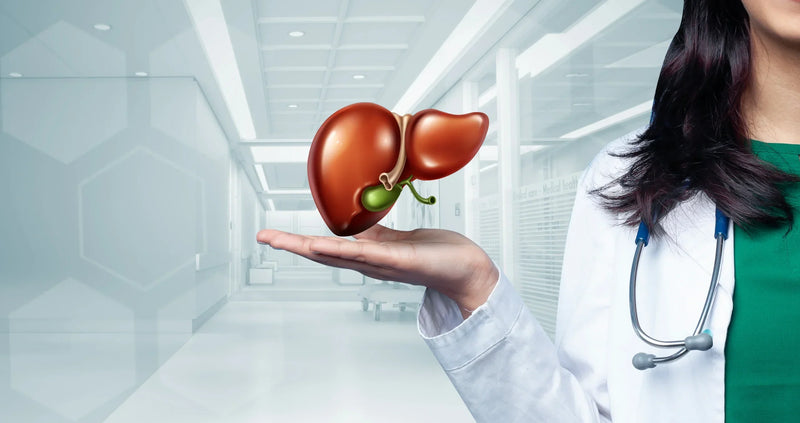
Fatty Liver Disease (FLD) is a condition caused by excess fat in the liver, typically caused by excessive alcohol consumption, poor diet, or another condition.
The disease consists of two subtypes: alcoholic and nonalcoholic fatty liver disease. Alcoholic fatty liver disease, as the name suggests, is caused by chronic overconsumption of alcohol. Luckily for those suffering from this subtype, the condition can improve significantly if the patient stops drinking alcohol and allows their liver time to heal.
The second subtype, nonalcoholic fatty liver disease, is often comorbid with conditions like type 2 diabetes and obesity. This type of fatty liver disease is caused by excess fat in the liver and can lead to decreased liver function, severe complications, and even death.
In both subtypes, the signs of fatty liver disease are the same. Patients often feel pain in the liver and nearby organs, usually in the upper right part of the abdomen, below the diaphragm and above the stomach.
If a doctor suspects the condition, they will first examine the area and check for swelling or tenderness. Then, blood tests are taken to check for liver enzyme levels. Finally, patients may receive imaging to check the severity of the condition.
Fatty Liver Disease: Diagnosis and Prevention
When it comes to fatty liver disease treatments, the common preventative tactics include losing weight, managing comorbid conditions like type 2 diabetes or metabolic disorders, and reducing the patient's alcohol consumption. In some cases, these lifestyle changes can drastically improve, or completely reverse the condition given enough time and discipline.
For the best fatty liver diet, make sure to focus on whole foods like fruits, vegetables, and whole grains, as well as healthy fats. It should also contain a reasonable amount of lean protein sources like chicken and turkey.
With lifestyle changes, a healthy diet, and an early diagnosis, patients in early stages will likely have no impact on their life expectancy from the disease. Though if the condition is found in its later stages when lasting damage has already been done, a person’s life expectancy with fatty liver disease can be reduced by 2 to 12 years, depending on the severity.
Frequently asked questions
1. What is fatty liver disease?
2. What causes fatty liver?
3. What are the symptoms of fatty liver disease?
4. Is FLD dangerous?
5. Can fatty liver be reversed?
6. What foods should you avoid with fatty liver?
7. What is the best diet for fatty liver?
8. Does fatty liver disease affect life expectancy?
Final Thoughts
Leave a comment
More Blogs
How Alcohol Affects the Liver: Signs, Damage and Recovery
Many people use alcohol to relax at the end of the day or bond with others during social occasions. But drinking too much alcohol...